





See Your Home As A Living System

Welcome! Today we explore using causal loop diagrams to improve household decision-making, turning scattered routines, bills, chores, and screen time arguments into an understandable system. You’ll learn to reveal reinforcing and balancing feedback, spot delays, and design small experiments that reduce friction, save money, and grow calm. Bring a notebook, invite family voices, and get ready to sketch your world into clarity, one honest arrow at a time.

Finding Hidden Feedback In Daily Routines

Every day, subtle cause‑and‑effect loops drive clutter, energy use, stress, and even grocery spending. By mapping how actions influence results and then circle back, you uncover balancing forces that stabilize and reinforcing spirals that accelerate. Causal loop diagrams make these patterns visible, transforming hunches into shared insight so families can adjust routines, place safeguards, and choose interventions that work with the system rather than against it.

Sketching Your First Map

Choose Clear, Observable Variables

Choose measurable variables like bedtime, minutes of screen exposure after nine, morning wakefulness, hallway light brightness, thermostat setting, snack availability, or laundry basket fullness. Nouns help maintain clarity. If you cannot observe or estimate it weekly, consider splitting it into two simpler, trackable pieces before drawing arrows.

Draw Arrows And Mark Polarity

Arrows describe directional influence, not blame. A plus means moving together; a minus means moving opposite. Write concise link labels like convenience, hunger, or chill. Keep each cause-to-effect pair singular to avoid muddled meanings, and sanity-check polarity aloud with family members to confirm shared understanding.

Highlight Delays And Define Boundaries

Use delay marks to show lags between action and outcome, like exercise influencing sleep quality days later. Define scope boundaries so your diagram stays practical, perhaps one room, one routine, or one bill. Not everything belongs; sketch enough structure to explain behavior without exhausting attention.

Turning Maps Into Better Choices

A diagram is a tool for choices, not wall art. Translate loops into experiments: identify leverage where a small nudge cascades beneficially, pick metrics, and test for two weeks. Using causal loop diagrams this way builds household confidence, reduces decision fatigue, and aligns effort with what truly matters.

Stories From Busy Homes

Examples help ideas stick. Here are three household stories where mapping feedback loops replaced debate with discovery. By naming variables, drawing links, and testing tiny adjustments, families uncovered leverage that reduced costs, eased tensions, and restored shared agency. Consider how similar patterns might appear under your roof today.

Taming The Energy Bill Spiral

Winter bills crept upward as comfort demands rose. The diagram showed reinforcing draft–thermostat loops. Sealing leaks lowered perceived chill, which reduced thermostat bumps, which cut runtime, which warmed hallways via slower air movement, reinforcing comfort positively. Result: lower kilowatt-hours, steadier moods, and fewer hallway blanket battles.

Easing Screen-Time Battles

Evening conflicts faded after a visibility tweak. Chargers migrated to the kitchen, dim red night-lights replaced bright screens, and reading lists appeared by pillows. The loop mapping predicted easier sleep onset and calmer mornings. Data confirmed fewer snoozes, better breakfast chatter, and gentler commutes despite unchanged homework loads.

Avoiding Traps While Staying Curious

Clarity grows when you sidestep common mistakes. Resist blaming people; study structure. Keep diagrams readable and focused; split sprawling maps into linked views. Name variables precisely and back claims with lightweight data. With curiosity and care, causal loop diagrams guide better choices without friction or performative complexity.

Name What Changes, Not Who’s At Fault

Instead of ‘teen refuses bedtime,’ capture changing quantities like perceived autonomy, light exposure, alertness, and peer messaging frequency. These variables form loops you can influence collaboratively. By shifting environment or cadence, structure invites better outcomes, while blame merely hardens resistance and obscures the true drivers of behavior.

Keep Diagrams Small, Linked, And Legible

Complexity seduces. Limit each diagram to a single routine or decision, then hyperlink related sketches. Use legible handwriting, consistent arrow styles, and minimal color. The goal is shared reasoning, not art. When someone new understands it quickly, you’ve probably drawn the right amount of structure.

Validate With Data, Then With Feelings

Trust numbers and narratives together. Track small indicators, but also note moods, ease, and surprises. If evidence contradicts your beautiful loops, update the map, not reality. Learning beats being right, and households thrive when models evolve gracefully with fresh data and lived experience.
Make It Social, Visual, And Fun

Gather For Short, Playful Retrospectives

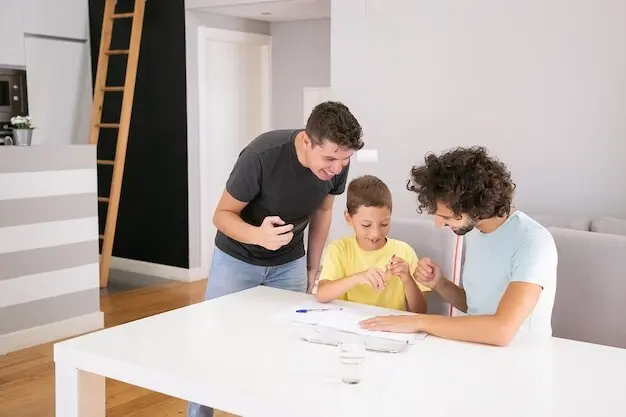
Keep gatherings brief, kind, and playful. Open with appreciations, review the loop, and ask what one link changed this week. Use timers, snacks, and colored pens. End with a tiny, voluntary experiment and a clear check-in date so momentum compounds gently without pressure or perfectionism.

Put The Loop Where Decisions Happen

Keep gatherings brief, kind, and playful. Open with appreciations, review the loop, and ask what one link changed this week. Use timers, snacks, and colored pens. End with a tiny, voluntary experiment and a clear check-in date so momentum compounds gently without pressure or perfectionism.

Share Wins, Ask For Help, Stay Connected

Keep gatherings brief, kind, and playful. Open with appreciations, review the loop, and ask what one link changed this week. Use timers, snacks, and colored pens. End with a tiny, voluntary experiment and a clear check-in date so momentum compounds gently without pressure or perfectionism.

Sanodarizoridexonovi
Privacy Overview

This website uses cookies so that we can provide you with the best user experience possible. Cookie information is stored in your browser and performs functions such as recognising you when you return to our website and helping our team to understand which sections of the website you find most interesting and useful.