
Design a Calm, Fair Household System

Welcome! Today we explore a systems approach to family schedules and chore allocation, weaving together clarity, feedback loops, and light automation so the home runs smoothly without burning anyone out. Expect practical rituals, humane standards, and resilient playbooks that respect real energy, attention, and time. Share your wins or sticky spots in the comments, and subscribe to keep refining together with experiments that actually stick through school rushes, late meetings, and surprise curveballs.

Map the Week Like a Flow

Sketch the family week as a flow with lanes for each person, highlighting dependencies like rides, lunches, uniforms, and pet care. Notice hotspots around mornings, activity transitions, and bedtime. This visual map reveals collisions before they hurt, guiding smarter sequencing, handoffs, and realistic buffers that preserve energy and reduce last-minute panic.

Decide What Not To Do

Set kind limits using work-in-progress caps: no more than two evening commitments per person, one big house task per day, and deliberate empty space on Sunday afternoons. Eliminating low-impact extras protects what matters, prevents simmering resentment, and keeps chores from quietly swallowing the week without anyone agreeing to it.

Define Roles Without Rigidity

Clarify roles like driver, dinner lead, homework buddy, or bedtime anchor, but always note named backups. Rotations prevent invisible labor from settling on one person. This balances responsibility with compassion for fluctuating workloads, making it easier to ask for help early and avoid snap arguments born from unclear expectations.

Start With Shared Clarity

Before tools, create a shared picture of purpose, constraints, and reality. Agreement on what matters most turns constant firefighting into thoughtful tradeoffs that make sense. Discover hidden bottlenecks, honor bedtimes and commutes, and align around a few guiding principles everyone can remember during messy moments. With shared clarity, friction drops, small wins compound, and flexibility becomes possible without feeling like chaos.

Design Chores as Repeatable Workflows

Create Micro-SOPs That Fit Real Life

Write tiny step lists for laundry, dishes, trash, and pet care, including finishing touches like starting the next load or wiping counters. Add pictures for younger kids. Define success clearly: sink empty, counters dry, towels hung. Gentle specificity shortens arguments and builds pride through consistent, visible completion everyone recognizes.

Bundle, Batch, and Timebox

Bundle related tasks, like prepping lunches while unloading dishes, to reduce context switching. Batch laundry by person to simplify folding and delivery. Timebox trickier jobs with a playlist to keep momentum. These lean practices shrink mental overhead, turning chores into quick, satisfying sprints instead of sprawling, morale-killing marathons.

Visualize Ownership and Status

Use a simple magnetic board, sticky notes, or a shared app to show who owns what and whether it is planned, in progress, or done. Visibility reduces double-work and hidden burdens. Kids enjoy moving pieces to Done, and adults appreciate the honest picture that prevents misunderstandings about effort.

Smart Scheduling That Adapts

Adopt one reliable source of truth for commitments, then add buffers and recovery windows like a savvy project manager. Align chores with real energy patterns, not wishful thinking. Protect margins so surprises do not sink the week. A flexible cadence, with tiny syncs and seasonal recalibration, beats rigid rules every time.

Feedback Loops, Incentives, and Fairness

Fairness thrives when feedback is gentle, data is simple, and appreciation is frequent. Weight chores by effort and cognitive load, not just counts. Introduce rotations, skill-building swaps, and visible gratitude. Use tiny metrics to spark conversations, not competition. When people feel seen, reliability improves without pressure, guilt, or performative perfection.

Weight Effort, Not Just Count Items

Score chores with rough points for time, mess, and mental coordination, then rebalance weekly. Deep-cleaning a bathroom might equal three quick wipe-downs. Transparent weighting dissolves the classic ‘I did more’ narrative, replacing it with shared language that respects invisible labor and makes trades feel fair and friendly.

Rotate to Spread Skill and Empathy

Rotate recurring roles monthly so everyone learns essentials like meals, laundry, rides, and bedtime flow. Exposure builds empathy for tricky tasks and prevents specialization from becoming dependence. Include coaching handoffs, not sink-or-swim. People grow capable together, and the household becomes resilient when someone travels, gets sick, or faces deadlines.

Close the Loop With Gentle Metrics

Track just a few signals: missed pickups, late bedtimes, undone dishes. Review weekly without blame, focusing on process tweaks rather than people. Celebrate green streaks loudly. These simple loops turn frustration into experiments, helping the family learn faster and keep motivation alive through kindness, clarity, and steady improvement.

Tools and Automations That Stay Human

Pick the lightest tools that make coordination easier without stealing attention. Begin with whiteboards or paper, then add digital calendars, shared lists, and reminders only where they reduce friction. Automate triggers and check-ins, not relationships. Let tools serve conversations, rituals, and values, keeping autonomy and warmth front and center.

Choose the Lightest Tool That Works

Start analog with a hallway board, color-coded markers, and a weekly snapshot photo. Move to digital only when pain persists, not by default. Minimizing tool complexity helps kids participate, supports grandparents, and reduces configuration churn so the system survives busy seasons instead of collapsing under app updates.

Automate Triggers, Not Relationships

Use automations for reminders, recurring checklists, light timers, or grocery staples, but never outsource appreciation or apologies. Technology should lower friction while preserving dignity and agency. Keep the human parts human: thanks, encouragement, and coaching conversations that transform chores from obligations into shared stewardship of home life.

Design Dashboards for Kids and Grownups
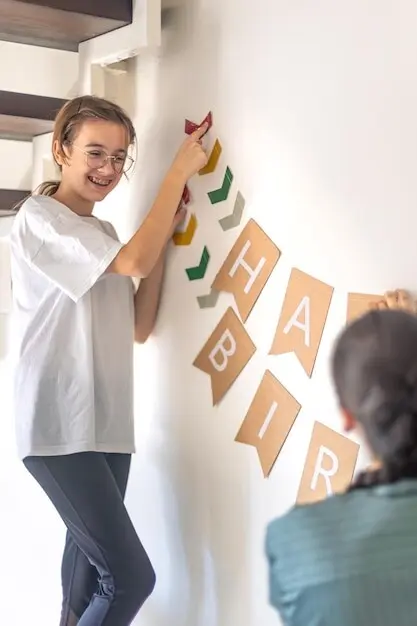
Make status obvious at a glance with icons, colors, and short words. Kids earn visual wins by moving magnets; adults scan a compact summary before decisions. Accessibility boosts follow-through dramatically. When everyone can read the room quickly, coordination improves without extra meetings, arguments, or buried expectations nobody agreed to.

Resilience When Life Gets Messy

Life will throw flu weeks, delayed flights, and broken appliances. Build a minimum viable plan for chaos, define escalation paths, and practice resets. Protect relationships first, essentials second, extras last. With graceful degradation and simple repair rituals, the family bounces back faster, with less blame and more togetherness.

Fail Gracefully With Minimum Viable Plan

When capacity drops, switch to a stripped plan: paper plates, one-pot meals, laundry triage, and bedtime windows instead of strict times. Name the pivot so expectations reset kindly. Returning to normal becomes a choice, not a fight, and nobody carries quiet resentment for impossible standards.

Escalation Paths Everyone Understands

Document who to call, who can swap rides, and which chores can be deferred. A tiny escalation tree reduces panic during crunch moments. Clarity beats heroics, especially for teens testing independence. When the map is known, people help faster, safer, and with fewer accidental consequences that snowball into bigger setbacks.

Rituals for Reset and Repair

After tough weeks, run a short retrospective: what surprised us, what saved us, what we change next time. Close with appreciations and one treat, like pancakes or a movie. Repairing trust and updating the playbook together converts stress into shared wisdom and renewed confidence for whatever arrives next.

Sanodarizoridexonovi
Privacy Overview

This website uses cookies so that we can provide you with the best user experience possible. Cookie information is stored in your browser and performs functions such as recognising you when you return to our website and helping our team to understand which sections of the website you find most interesting and useful.